KPKP Agency Maintains Optimal Production During Dry Season
Reported by Aldi Geri Lumban Tobing | Translated by Rizky Mawardi
The Jakarta Provincial Government is preparing various anticipatory measures to maintain production and ensure a secure food supply for the public during this dry season.
We have prepared various anticipatory measures
Hasudungan Sidabalok, Head of the Jakarta Food Security, Marine, and Agriculture Agency (KPKP), stated that the agency has prepared various mitigation strategies across all sectors under its purview to ensure production activities continue to run optimally during the dry season.
Dry Season Boost, Jakarta Fishermen See Surge in Fish Hauls"We have prepared various anticipatory measures to minimize the impact. We continue to ensure that the agriculture, fisheries, and food security sectors in Jakarta remain fully operational," he said, Wednesday (8/5).
In the agricultural sector, Hasudungan explained that the agency manages 14 seedling nursery sites covering a total area of 81.4 hectares. These nurseries produce an average of approximately 74,000 seedlings of productive plants annually, ranging from fruit trees, vegetables, and rice to orchids.
To maintain continuous production during the dry season, water requirements at the nursery are met through the use of reservoir water and deep-well pumps.
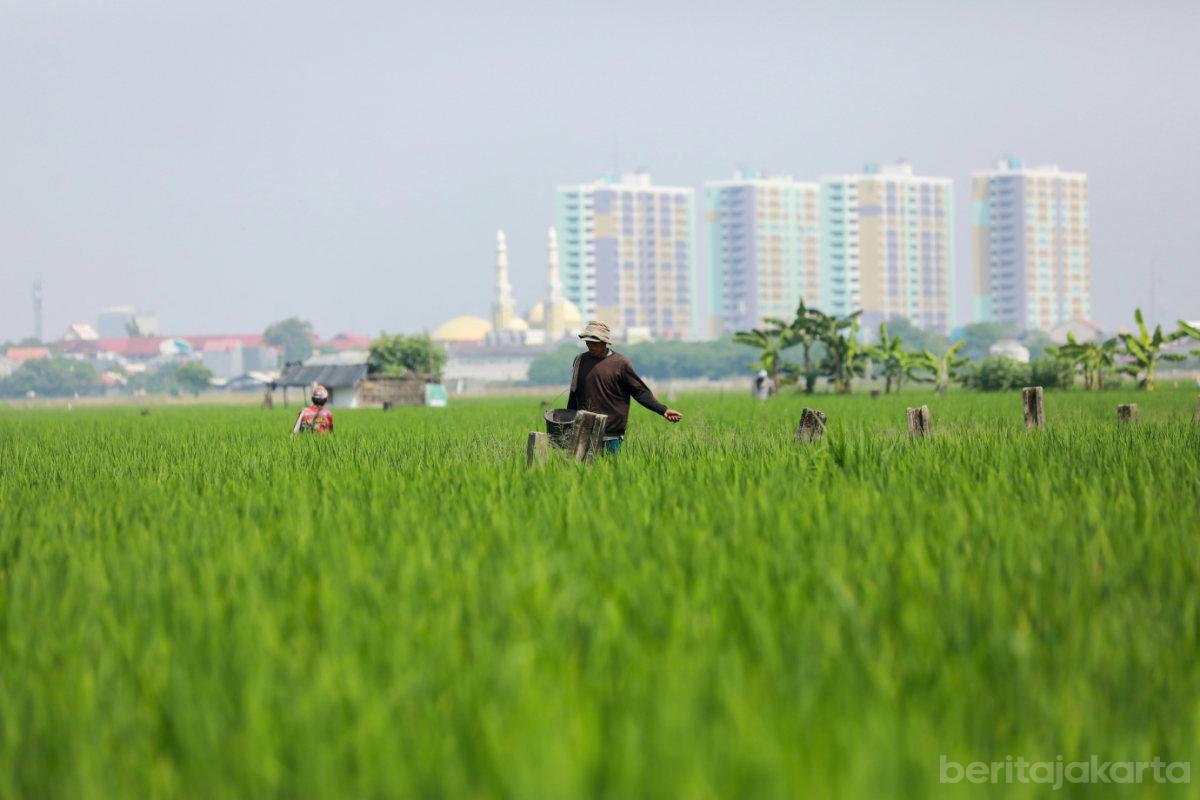
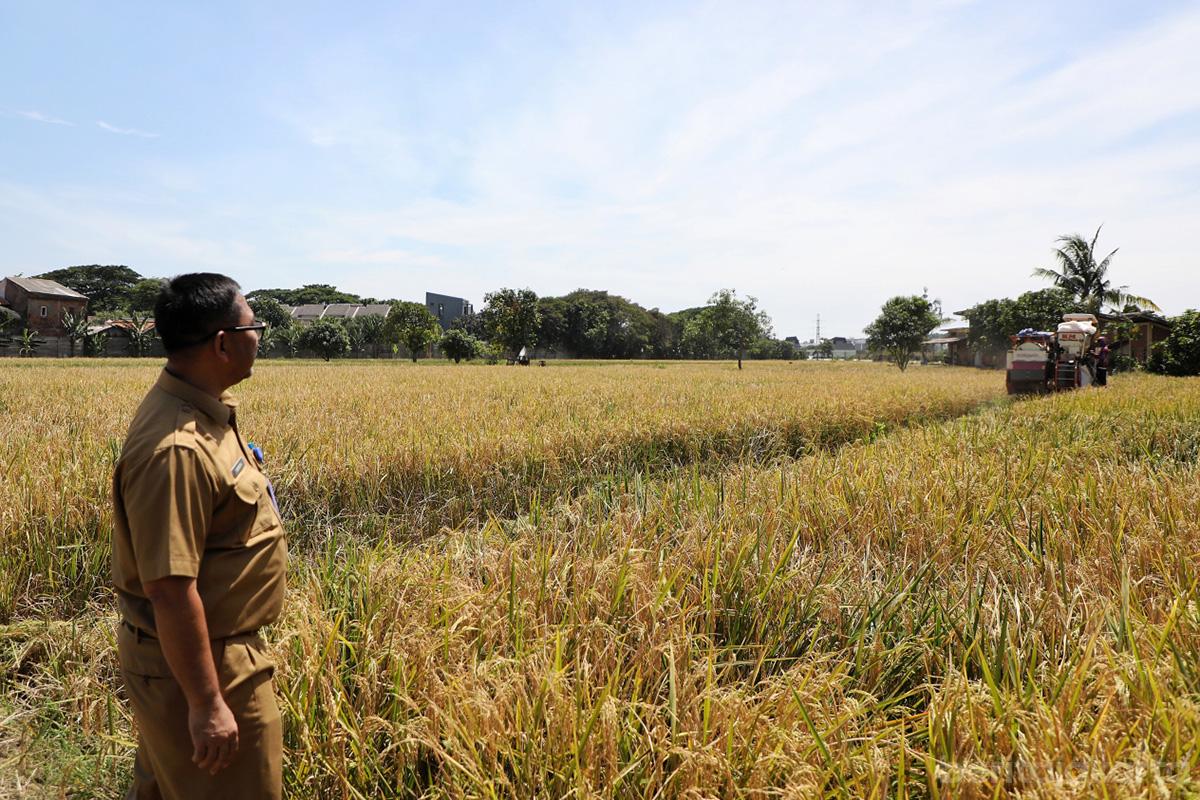
"The approximately 220 hectares of rice fields in North Jakarta actually tend to yield higher production during the dry season, as low rainfall intensity favors the cultivation process," he explained.
In the fisheries sector, the agency operates four Fish Seed Centers (BBI) comprising a total of 303 ponds. Under normal conditions, fish seed production ranges from approximately 410,000 to 450,000 units per month. However, during the dry season, production is projected to drop to around 380,000 units per month due to reduced water availability from rivers and groundwater sources.
"We also manage pests and diseases through biosecurity measures, the removal of sludge deposits prior to the dry season, and the provision of shading for the ponds," he added.
In terms of food security, the supply of strategic food commodities in Jakarta remains relatively stable. Price monitoring indicates that several commodities have experienced price increases, such as chicken eggs (up 3.1 percent) and chicken meat (up 1.14 percent).
Several horticultural commodities actually experienced price declines, including shallots (3.8 percent), red bird's-eye chilies (3.04 percent), curly red chilies (1.71 percent), and TW red chilies (1.91 percent).
Hasudungan assessed that this situation is driven by an abundant supply of horticultural commodities, particularly chili peppers and shallots, while consumer demand remains relatively stable.
"In general, the food supply, particularly of strategic food items, remains secure and relatively stable. We continue to monitor the situation to ensure smooth distribution, thereby meeting public needs and keeping price fluctuations under control," he stated.